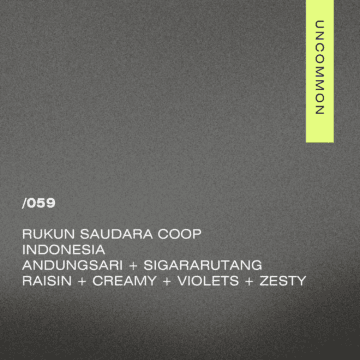
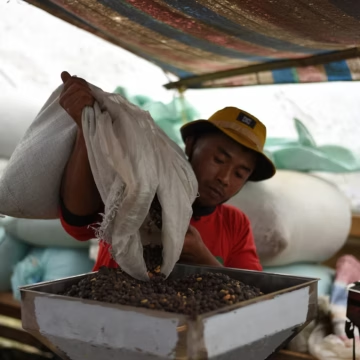
From Bengkolan Dua Village in Kerinci, Sumatra, /059 is an anaerobic honey produced by the Rukun Saudara Cooperative, led by Abdul Aziz Thohari.
Abdul Aziz started growing coffee in 2015, at a time when much of the coffee from the area was still sold as wet parchment and transported to Medan for further processing. In 2017, Rukun Saudara was established, allowing the farmers to take more control over quality and processing themselves. Their first drying facility measured just 10 × 5 metres. Today, it covers approximately 800 square metres.
Rukun Saudara brings together around 50 farmers cultivating approximately 30 hectares on the high plateau surrounding Mount Kerinci. Sitting between 1,400 and 1,700 metres above sea level, the farms benefit from the fertile volcanic soils created by one of Sumatra’s most prominent active volcanoes.
This lot is made up of Andungsari and Sigararutang, two varieties closely connected to Indonesian coffee production. Andungsari was developed in Indonesia as a compact, productive variety and is known for sweetness, citrus-like acidity and floral characteristics. Sigararutang originates from North Sumatra and became widely planted because of its productivity and adaptability at altitude.
For /059, ripe cherries are first pulped while leaving the mucilage around the seed intact. The coffee is then fermented in sealed, oxygen-limited tanks before drying with the remaining mucilage still attached. This combination of anaerobic fermentation and honey processing increases sweetness, texture and fruit character while maintaining structure and clarity.
The cup is rich and expressive without becoming heavy. Blonde raisin brings a soft dried-fruit sweetness, followed by a creamy texture and floral violet character. A zesty acidity running through the cup keeps everything lifted and gives the coffee a clean, energetic finish.
FORM vs FUNCTION vs LESS WASTE
We love good packaging design, but not waste. That’s why we aim for a balance between aesthetics and sustainability. Finding food-safe solutions that work across local and international recycling systems isn’t easy, but we take it seriously. For us, reuse, reduce, recycle is more than just a label.
When ordering coffee, you can choose from three packaging types:
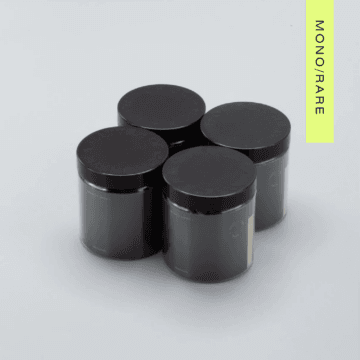
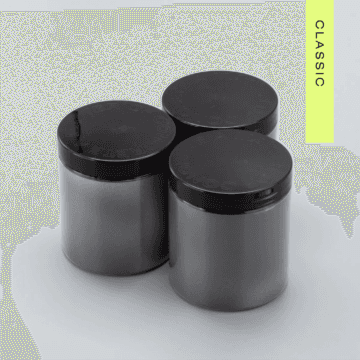
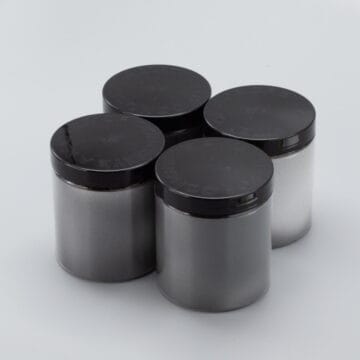
A.M.O.C. JAR
Made from fully recyclable PET. Lightweight, durable, and made to be reused endlessly.
REFILL
A low-waste option, vacuum-packed in thin, food-grade PP without a valve or zipper. About 40% lighter than standard bags and easier to recycle. These are not retail-friendly and may lose vacuum in transit—this doesn’t affect quality. Transfer to a container after opening. Not freezer-safe unless portioned first.
KILO BAG
For larger orders, we use high-barrier packaging that protects freshness and is recyclable under certain conditions. We chose it for both performance and environmental impact.
You’ll find more on our packaging choices and sustainability approach on the about page.
ESPRESSO VS FILTER ROAST
Our filter roasts are designed for clarity and expression, but they’re great for both filter and espresso brewing. In fact, we often prefer the brighter, more expressive profile they bring to espresso.
Espresso roasts, on the other hand, are specifically developed for espresso brewing only. We don’t recommend using them for filter methods, as they’re tailored for higher extraction and a more classic cup profile.
Choose based on your taste and brew method, but know we stand behind both.
ROAST DATE
All our coffees are shipped as fresh as possible, typically within a few days of roasting. We don’t sit on a lot of stock and roast multiple times a week, so what you receive has been roasted recently, usually no longer than a 7-10 days before shipping, but it could also be roasted and shipped the same day.
You’ll find the exact roast date printed on the label. We recommend resting the coffee for a few days after roasting to allow it to degas and open up in flavour.